Brand Histories
UK amplifier manufacturers
1960s - 1980s
Starting with the ‘Skiffle’ craze in the 1950s, & then exploding with the ‘British Invasion’ in the 60’s, the UK had more than it’s fair share of amp builders competing for a share of this new market.
The majority of them, unfortunately, didn’t make it through whichever decade they started in. Some didn’t get past the ‘one-man-in-a-shed’ phase, others got bought up, and quickly subsumed by larger manufacturers or international companies.
The few who did make it big enough to still be remembered, are either ‘known’ in more vintage minded circles, like Selmer, Watkins & Sound City, or are still building amps and selling amp, such as Marshall, Vox & Orange.
At T&T we love discovering amps from these old forgotten or near-forgotten brands and bringing them back to life. Not just because they are a great way to get some vintage ‘mojo’ without the mojo prices, but because we can keep a piece of history alive.
If you want to dig deeper, we can recommend ‘The British Amp Invasion’ by David Hunter, well as these articles on Reverb (6 vintage British amps worth tracking down, 6 more vintage British amps worth tracking down).
So, here’s some history behind some of the brands we love, look out for & sell.
Arbiter
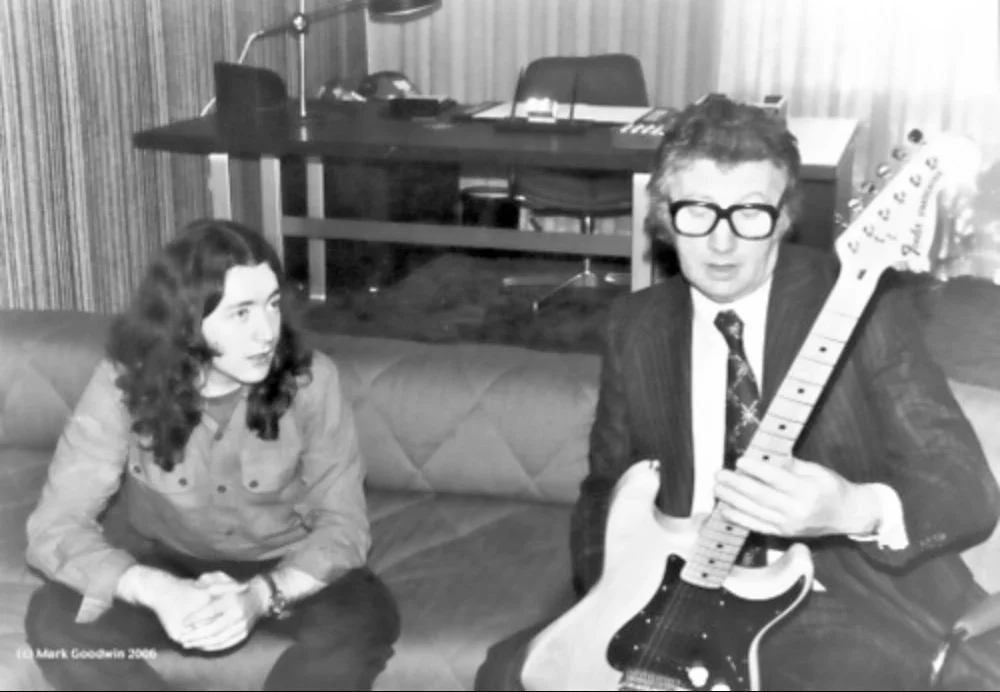
Ivor Arbiter was an English drum designer, instrument salesman, manufacturer and entrepreneur who founded or co-founded several instrument companies, including Arbiter–Western, Dallas–Arbiter, Hayman drums and CBS–Arbiter. He is also credited with designing the Beatles' original drop-t logo, and bringing karaoke to the UK.
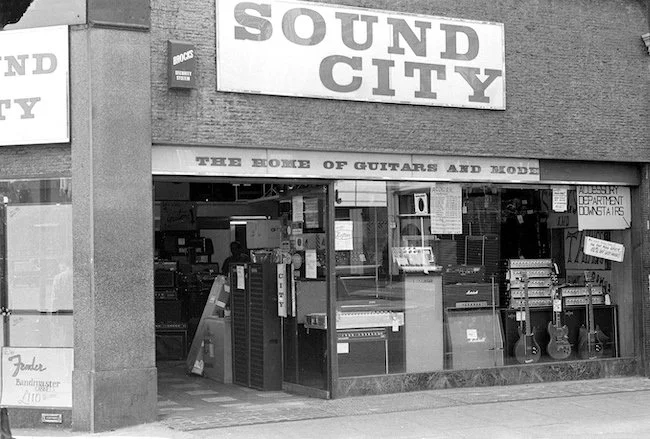
Ivor started his career as a drummer and later opened Drum City on Shaftesbury Avenue, London. The success of that store led to another shop, Sound City, which sold guitars and amplifiers, and then the creation of Arbiter-Western, an instrument manufacturer.
In 1967 financial difficulties, led to the Arbiter company being bought by it’s rival John E. Dallas & Sons, with Ivor Arbiter staying as deputy chairman. The success of the merge led to the renaming of the company to Dallas-Arbiter, still known now-days for the Fuzz-Face guitar pedal.
Ivor left Dallas-Arbiter in 1969 and partnered with CBS, who had recently bought Fender, to launch CBS-Arbiter, taking over the distribution of CBS’ intruments throughout Europe
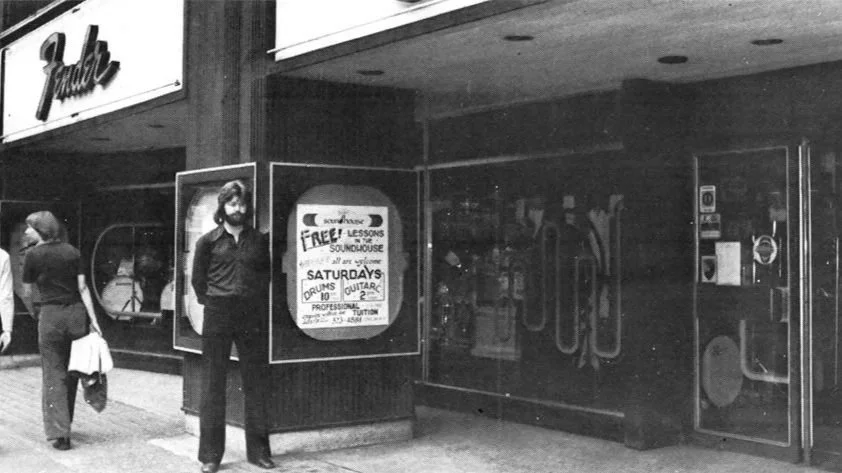
In 1973 Ivor opened the ‘Fender-Soundhouse’ on London’s Tottenham Court Road, the name Soundhouse coming from the original idea that it was to be opposite the Roundhouse, a famous music venue in London.
Ivor was always more interested in the players and musicians rather than the business and his aim for the Soundhouse was to build up a relationship with customers that would last throughout their playing years.
The Amplifiers
Through his various companies Arbiter was responsible for the existance of a few known and lesser known amp brands.
Sound City (Dallas-Arbiter), Soundhouse (CBS-Arbiter), and Impact (Dallas-Arbiter).
Sound City
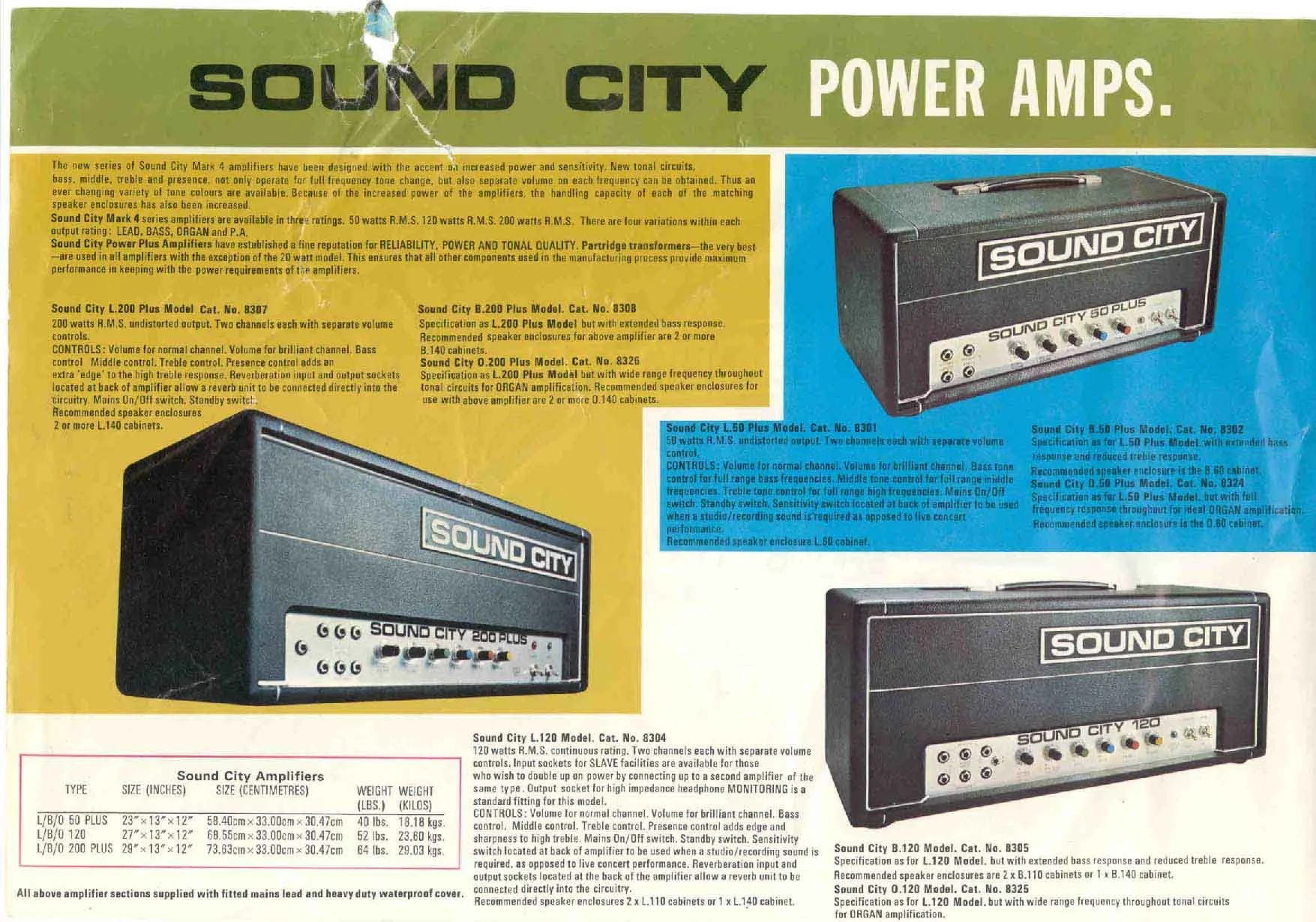
Sound City was designer Dave Reeves' (later the founder of Hiwatt) first foray into manufacturing, working for the distributor Dallas-Arbiter. Reeves initially built 100-watt tube heads in the back of the Sound City shop in London, eventually settling on the L100 amp design, which was launched in 1967.
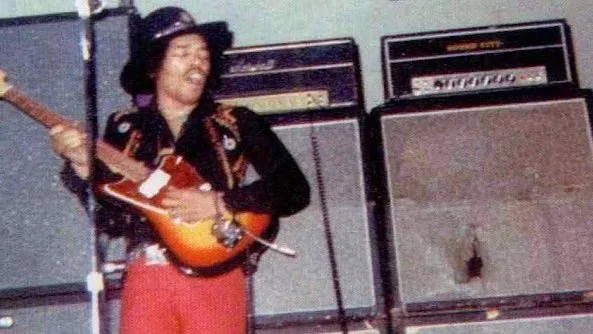
The ‘Sound City’ amps which Reeves produced were, like the later Hiwatt amps, louder and cleaner than the Plexi Marshalls they competed against. It was a formula much liked by The Who, and were soon followed by Jimi Hendrix, who sometimes used Sound City stacks alongside his Marshalls for his clean sound.
After Reeves left to go solo with Hiwatt, Sound City carried on, led by Denis Cornell (who is still in business as a boutique builder). Though it is said Dallas-Arbiter wanted to sacrifice some of Reeves's obsession with quality, Cornell's Sound City offerings were still made at a high quality.
After remaing under the radar for many years outside the UK & seen as a poor mans Hiwatt in the UK, Sound City amps are starting to be recognised for their great sound and superb hardware. Whilst some find it hard to come to grips with the MKIV’s active tone controls, they’re getting more exposure from high profile fans like Rick Beato and John Segeborn.
Soundhouse
Soooooo, this is awkward. We cannot find anything out about these amps.
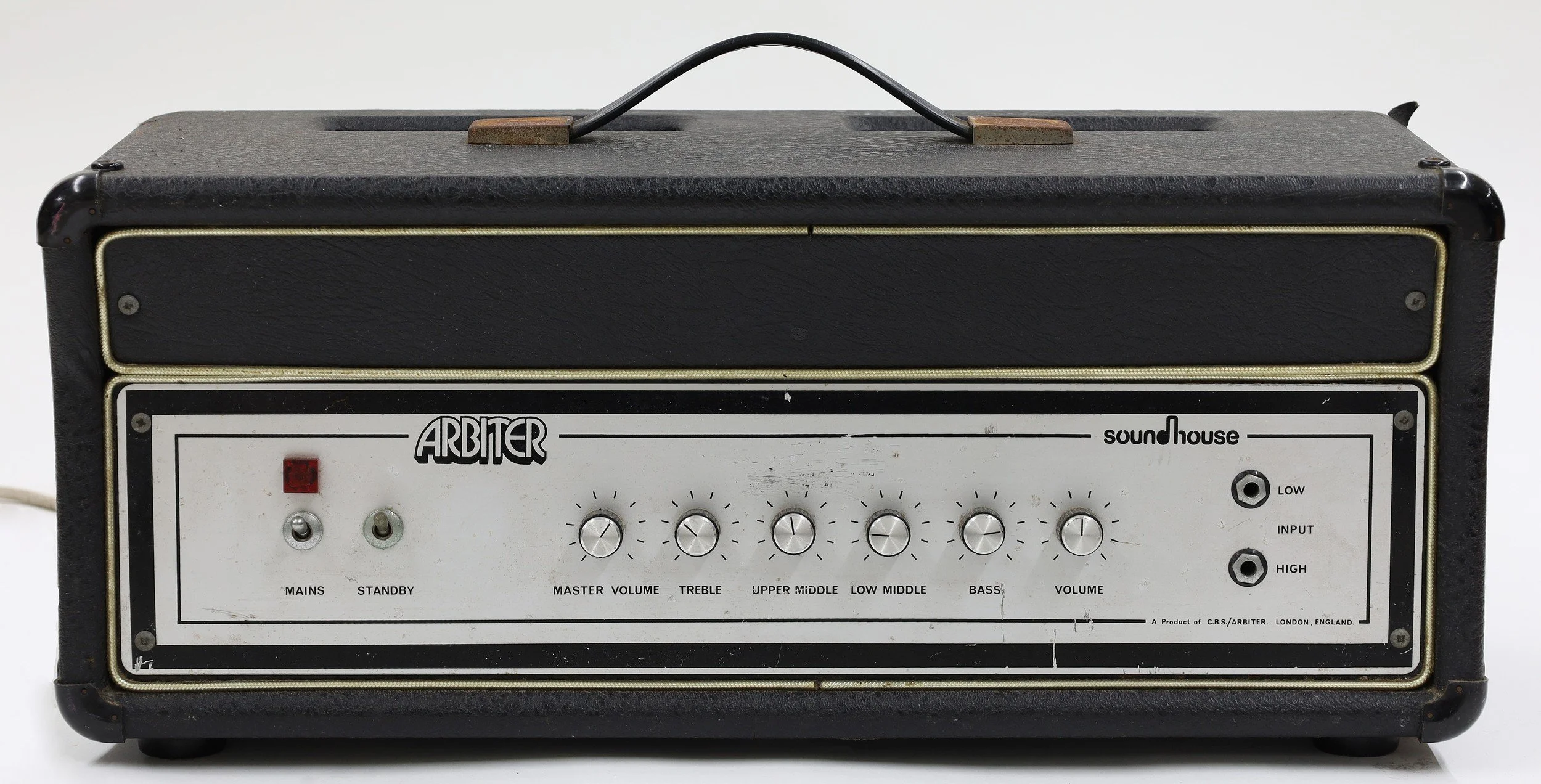
We know they were made after 1973 as they were named after the Soundhouse store and are labeled with CBS-Arbiter as the manufacturer. We’ve also spotted others in the USA as well as the UK.
However, we can’t find any information or mention of them from the 70’s. Nothing on how long they were made for, who (if anyone) used one, or for which market.
They have an active EQ in the preamp similar to Sound City MKIV amps. However, they also follow a Music Man approach of having a solid state preamp & a valve driven power amp.
The design consists of a FET preamp with a 4-band active EQ, a 12AX7 phase invertor and then a fairly hefty power section. The model we currently have in stock runs 6 X EL34s which push out a fairly hefy 150 watts.
Impact
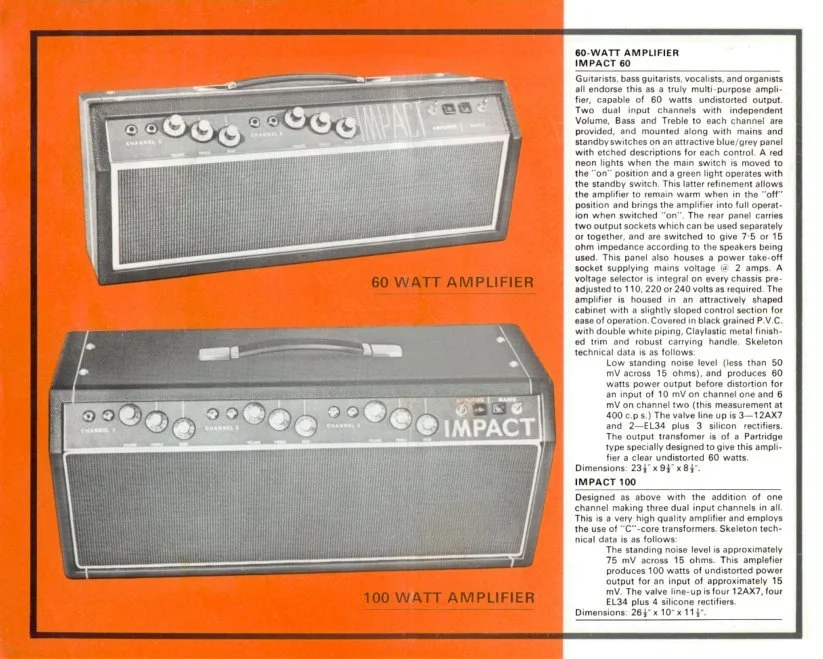
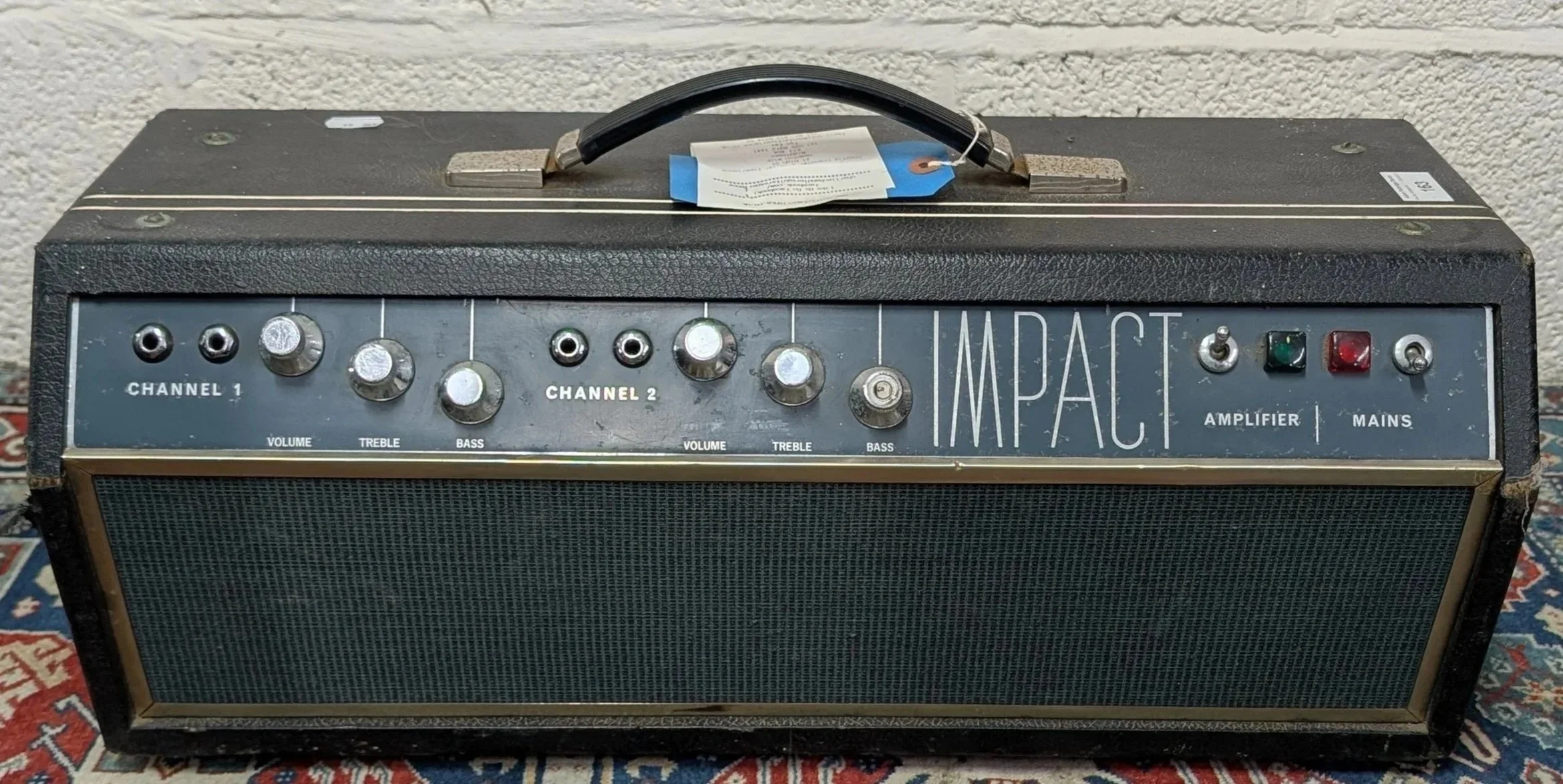
Impact Amplifiers was started in London in 1963 by Don Mackrill and Laurie Naiff under the company ‘Pan Musical Instruments Co. ‘. The factory was located in Wardour Street, Soho, and the company also had some music stores around London. Around the beginning of the 70's the Impact business was sold to Dallas-Arbiter
The Impact 60 head was the most common and popular model. It appears in two versions with minor differences, one with a brighter sound, probably intended for microphones. There's also a version with Reverb and Tremolo included. The amps are handwired point to point with a simple lay out, two channels, one voiced for bass, the other for guitar, you can of course jump the channels and use both.
Later amps were called "Impact by Status", and were manufactured after the Dallas-Arbiter takeover. They are really Sound City amps in Impact-styled cabinets, one model with the S.C. 50+ circuit, and one with the S.C. 120.
Burman
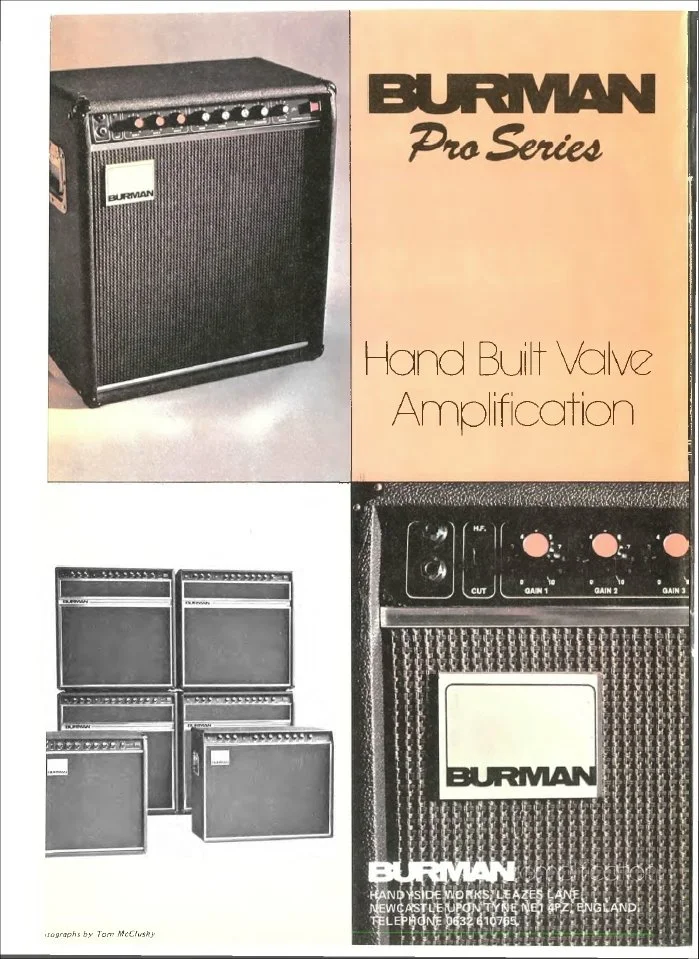
Burman amps were, unfortunately, only a major-brand UK amp builder for a short amount of time.
Starting out in the industrial heartland of Newcastle upon Tyne in north-east England, Gregg Burman began making his characteristically bomb-proof tube amps in 1966. He labored away locally, earning a strong reputation, until the late '70s when his amps suddenly exploded onto the scene.
These amps have legendary build quality, comparable to HiWatt, combined with innovative design, resulting in a superb sounding, reliable amp. Parts and components were top quality with Burman building his own over-specified heavy duty transformers.
The exceptionally well-built (but heavy) Burman Pro Series was launched in 1974 and featured a triple preamp gain section. The first series came in 50-watt and 100-watt single or twin-channel combos and also a 100-watt head.
Notable users included Thin Lizzy, Geordie Walker of Killing Joke, Manic Street Preachers, and Status Quo.
Later Burman launched the GX3 preamp, which received rave reviews and should have gone on to be a great seller. Unfortunately, Burman closed the company in the early '80s, having lost a controversial lawsuit with a publisher. A few years later, he suffered a disabling stroke and never returned to amp making.
The short time that Burman was producing amps for distribution (as opposed to direct/local custom) means that his amps are getting harder and harder to find, and if come accross, should be bought immediately!
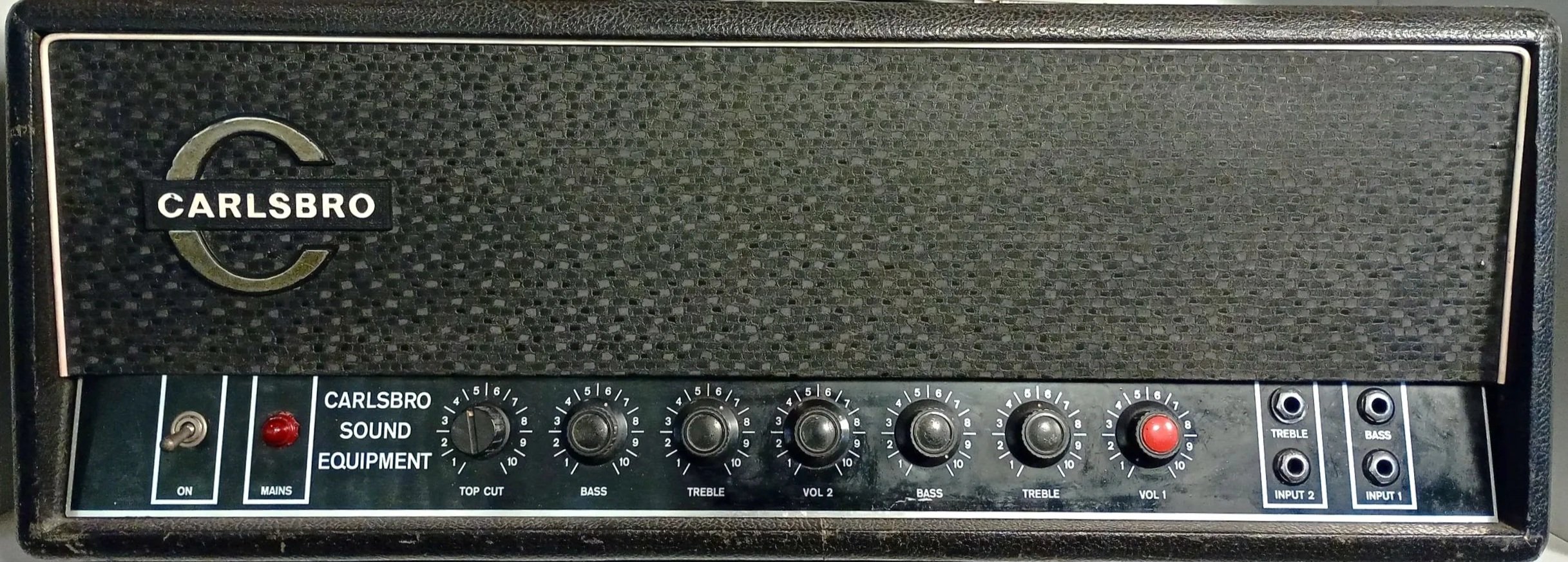
Carlsbro
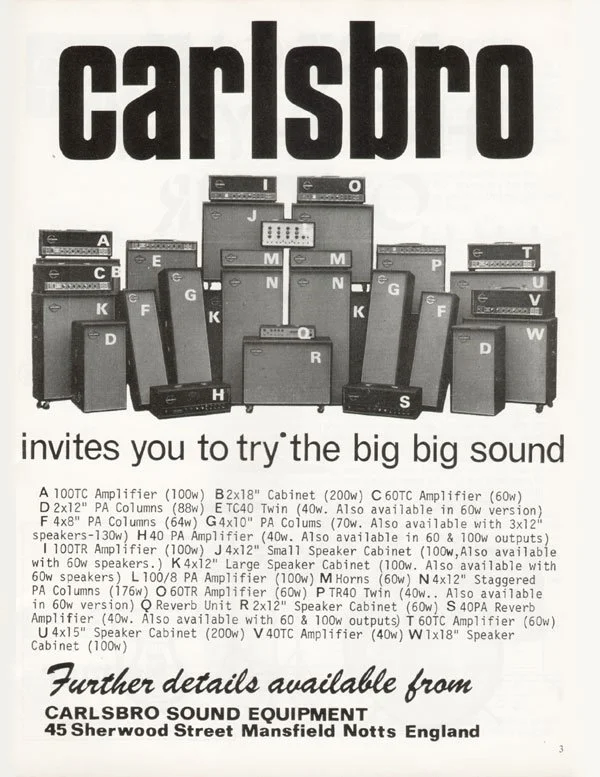
Much as Selmer was the number two to Vox in the ‘60s, Carlsbro never managed to achieve the glory accorded its UK rival, Marshall, in the ‘70s. However, this wasn’t due to any lack of quality on Carlsbro’s part.
In fact, its amps were the mainstay of the semi-pro scene for over two decades. But just as an earlier generation had tended to switch from Selmer to Vox once they hit the big time, so Carlsbro users tended to gravitate to Marshall.
Carlsbro did have one or two name artists, however, and one of the most prominent was the cult guitarist Bill Nelson, who made tremendous use of the TC 100 all-tube head.
The line of TC models have all the vintage basics right; quality Drake (or equivilent) transformers, mustard film capacitors, EL34 output tubes, and a fairly high standard of build quality.
They don’t sound exactly the same as a Marshall equivalent, despite sharing so many components in common, sitting somewhere between the grit & growl of a Marshall and the clarity & push of a Hiwatt.
However they do sound fantastic, and jumpering the channels leads to a glorious AC/DC-like clear, biting crunch.
We really rate these amps and jump on any we can get our grubby mitts on. So whilst people seem to be starting to jump on the Carlsbro bandwagon, these amps sell for less money than similar but better known Selmer amps, and for a hell of a lot less than their Marshall equivalents.
Elgen
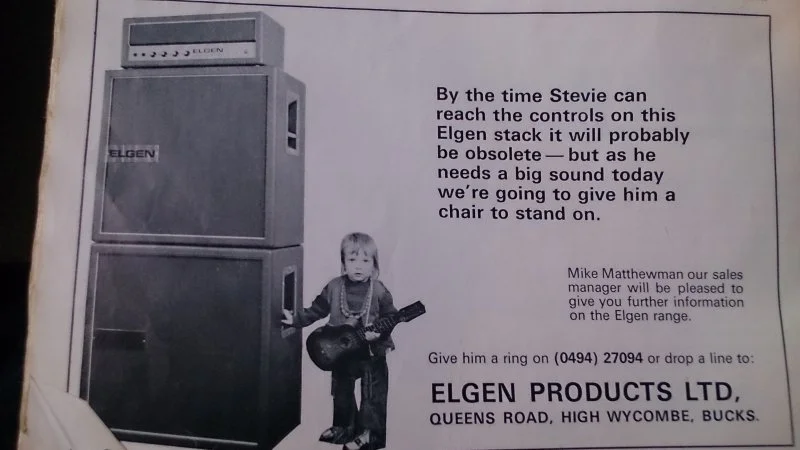
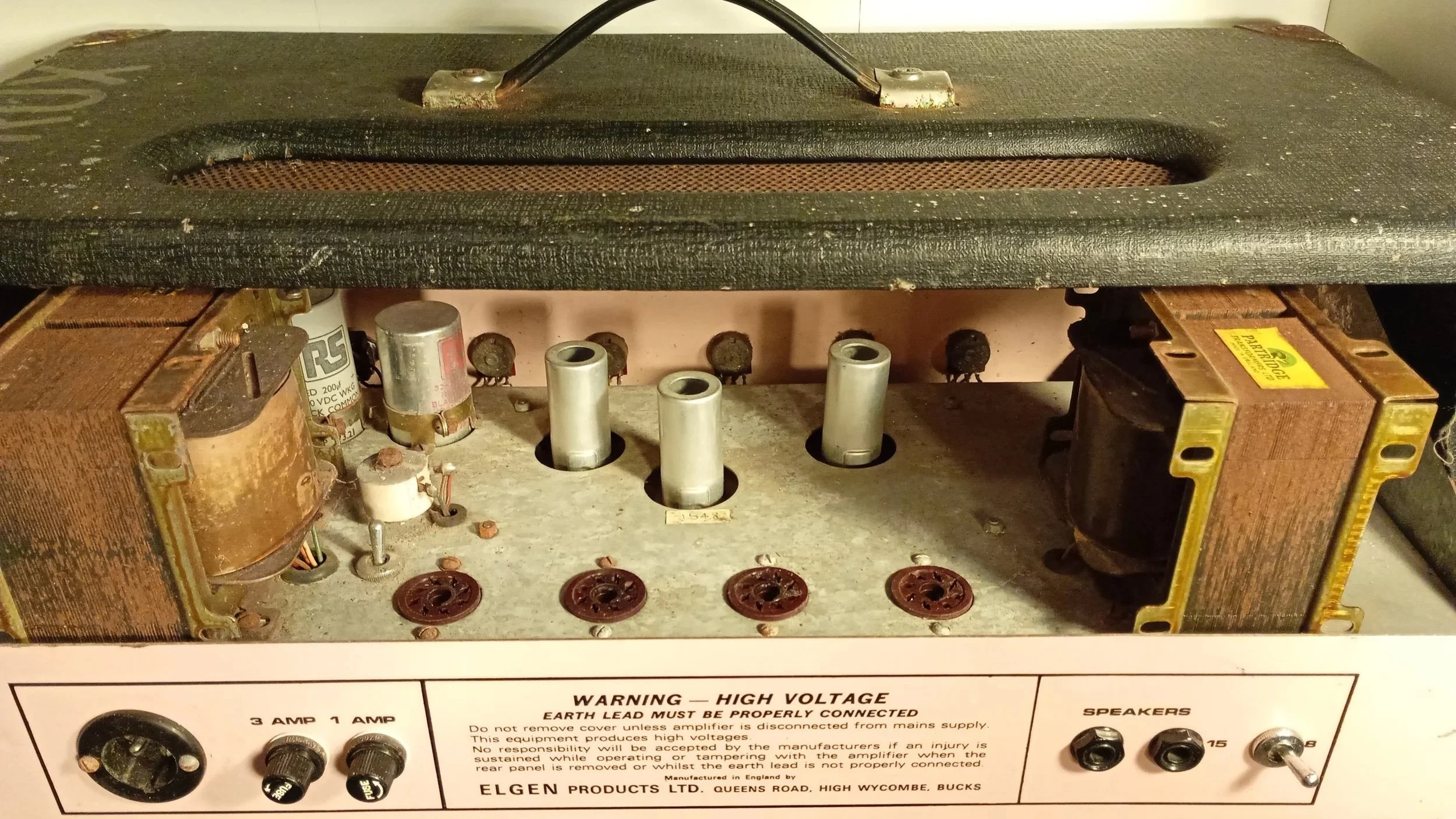
Elgen started up around 1965 in High Wycombe on the outstkirts of London, UK. The main brains was Tony Merrell, who was a local bass player of some distinction, with the other founder being a drummer known to everyone as Bonzo, who apparently was the expert on speakers & cabinets.
Their amps were were based on Fenders’ 59 Bassman, one of which, like Jim Marshall, they stripped completely to discover it’s secrets. However, again like Marshall, as time went by they introduced their own ideas into their designs.
The amps were built to a very high standard, with point-to-point hand-wiring, using top quality Partridge transformers & mustard capacitors.
The company folded around mid 70s but due to the small nature of the operation & because a large proportion of their production went to the USA, they are pretty hard to find.
The only reported ‘known’ player of these amps was Peter Frampton from Humble Pie, but we’ll keep looking for more.
Orange & Matamp
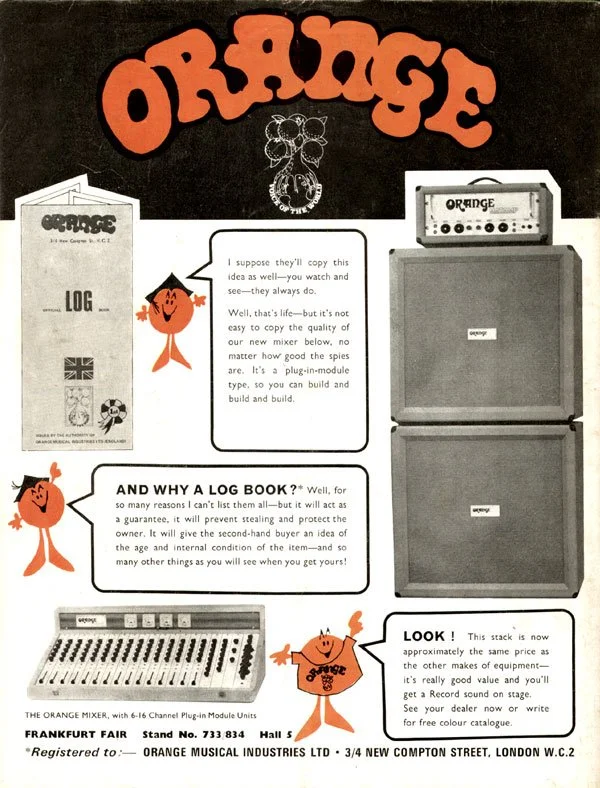
Matamp came to existence from a previous company, RadioCraft, which was formed by a German refugee Mat Mathias in the UK in the mid '40s. In the 60’s, Mathias starting building amps for local bands and built a reputation for great sounding, sturdy amps.
In 1968, Cliff Cooper, who owned a music shop in London, approached Mathias, asking him to begin building amps under the name of Cooper's shop; Orange. The result was the near-legendary Orange Matamp, used by Peter Green, Paul Kossoff, Jimmy Page, Wishbone Ash, and a host of other '70s guitar heroes.
The partnership between Cooper and Mathias ended in the early '70s, as Mathias’ strict adherence to quality meant he felt he couldn’t provide the number of amps Cooper wanted to keep up with the increasing demand. Orange moved their production line down to London and Mathias continued building amps under the Matamp brand.
Orange amps lost ground in the 80’s and 90’s whilst passing through a number of owners. However, after buying back the company in 2000, and bringing in Ade Emsley as the designer, Orange began it’s climb back up to it’s current position as a leading manafacture of guitar amplifiers.
Matamp also carries on and still produces very high quality and well engineered amps which are known for their deep, rich tones and insane amounts of power. Matamps have a dedicated following, particualy in the Doom and Stoner music scenes.
Whilst vintage Orange amps sometimes come up for sale or auction in the UK, they are usually at a pretty high price point. Typically the resale price (after auction, transport, servicing costs etc) would be around $3000 to $4000. So if you are looking for one, then let us know. We often see them coming up in Auctions, and we would always be happy to help you secure the amp of your dreams.
Vintage Matamps, unfortunately appear less often than Orange amps, due to the smaller scale of operation. We were fortunate to get our hands on the one we did, and yes, it was an absolute beauty (and extremely loud).